
Reviewed · COLOMBO COOKING CLASSES
Vegan Cooking Class Colombo with Market Tour
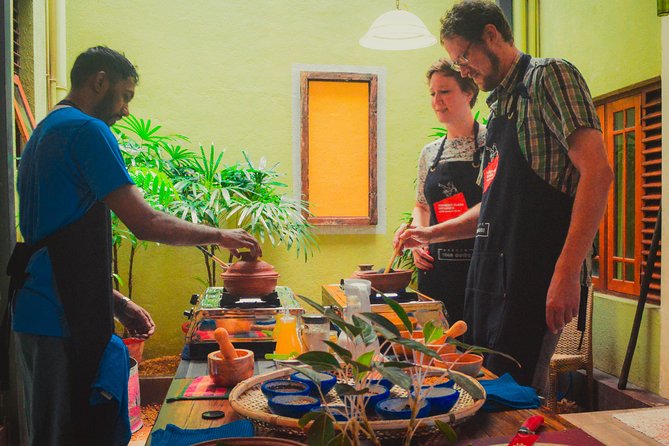
Sri Lankan cooking begins well before the pot goes on the stove. This private class takes you to a local market to learn how to choose vegetables and spices, then brings you into a villa kitchen to prepare a meal using traditional methods, including clay-pot cooking. The guide and kitchen helper can answer questions as you work.
I like two things in particular: the market visit gives you practical context for ingredients you may not recognize, and the private format lets you ask for a menu suited to your tastes. The class also aims to teach spice blends and techniques that are harder to pick up from a recipe alone.
One point needs your attention: the experience is advertised as vegan, but the sample menu includes chicken curry, buffalo curd, and honey. Confirm your fully vegan menu before booking, and ask whether hotel pickup is available, since the details about transport are inconsistent.
- Shop before you cook: Visit a local market and learn how to choose vegetables, spices, and other ingredients.
- Make the meal hands-on: The class is private, and you take part in preparing the dishes rather than just watching.
- Learn a traditional technique: Food is cooked in clay pots, which are described as useful for slow cooking.
- Shape the menu: Rice, leafy mallum, and several curries are listed as choices, but confirm which options are vegan.
- Plan for five hours: The experience runs about five hours and begins at the listed meeting point in the Colombo area.
- Ask about transport: Pickup is mentioned as a feature, but hotel pickup is also listed as not included.
From the market to the kitchen
The class joins two useful ways of learning about food: shopping for ingredients and cooking with them. Rather than meeting a dish only once it is on your plate, you get a chance to see what goes into it and ask how local cooks decide what to buy.
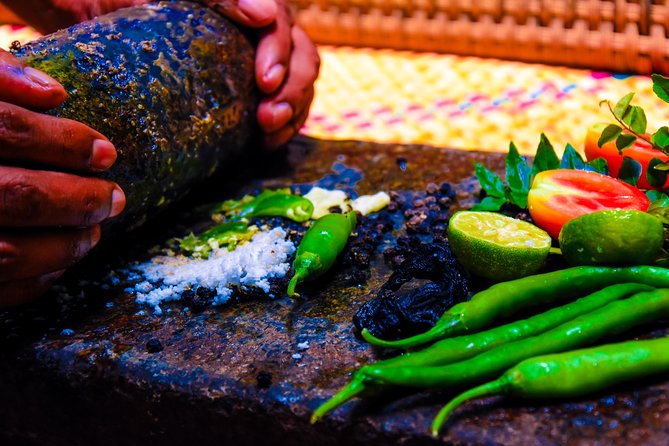
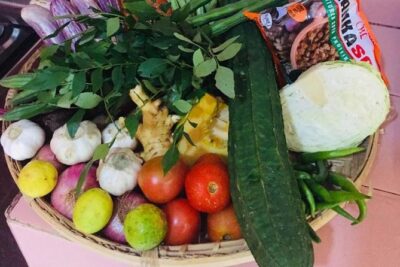
The market visit is meant to show you how to choose vegetables, spices, and other ingredients. That matters in Sri Lanka, where a curry’s flavor depends not only on which spices go in, but also on how they are combined and cooked. If you are unfamiliar with local produce, being able to point, ask, and get guidance can make the market far less puzzling.
Expect a working market rather than a staged food display. The description compares it to a European eco-shop, but the point is not that it looks like one. It is that fresh ingredients are part of ordinary home cooking. A guide can help bridge the language gap and explain what you are looking at, though the exact market route and how much time you spend there are not specified.
This is a good stop for curious cooks, even if you already know your way around a kitchen. A local can show you what to look for in vegetables and spices, and you can ask why one ingredient suits a particular dish. If you are short on time or mainly want to cook, remember that the market visit is part of the roughly five-hour experience.
Learning the logic behind Sri Lankan curries
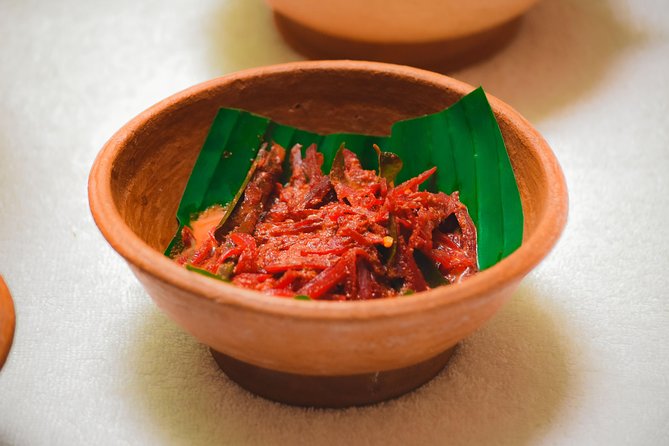
The cooking lesson focuses on the variety of Sri Lankan curries and the methods that give them different flavors. The aim is not simply to hand you a recipe. It is to help you understand how ingredients and cooking methods work together, so you can recognize what creates a dish’s aroma, color, and taste.
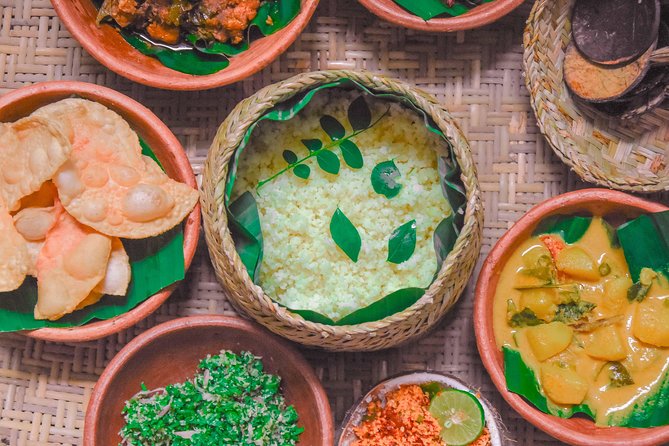
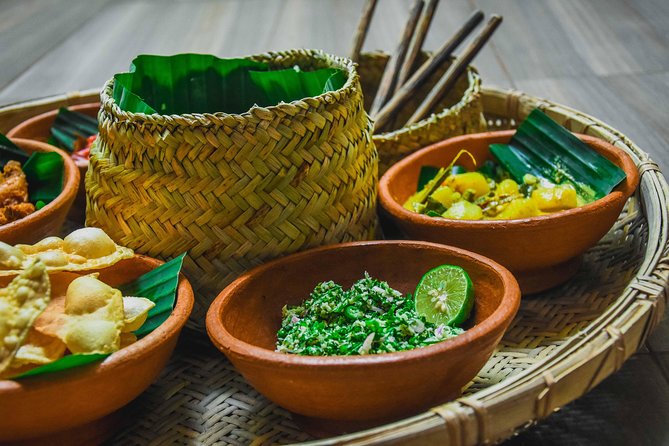
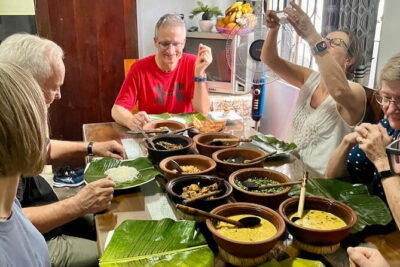
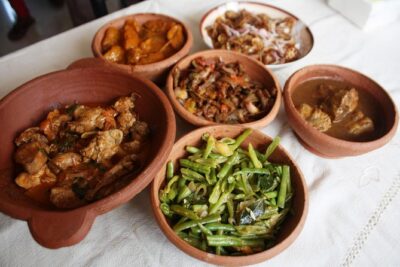
The menu offers a choice of white, yellow, or brown rice. Dishes listed include dhal curry, coconut sambol, potato curry, and fried mushroom, alongside chicken curry. For leafy mallum, a Sri Lankan salad, choices include gotukola, mugunuanna, gova, kankun, and aguna kola. Papdum is listed as an enhancer.
There is useful flexibility here, but you should not assume every dish listed belongs in a vegan meal. Chicken curry is plainly not vegan, and buffalo curd with honey is listed as dessert. The description also mentions tailoring the menu to your tastes and asks you to share dietary requirements when booking. Write to the provider before you reserve, name the dishes you will not eat, and ask them to confirm exactly what will be prepared and served.
The distinction matters because a meal can be described as vegan while still being presented alongside a mixed menu. If you are vegan, make your requirements explicit rather than relying on the headline. If you are vegetarian, also state that clearly, since a vegetarian option is available by request. The class can be more useful when the menu is agreed in advance: the chef can focus on the ingredients and techniques you actually want to learn.
More cooking classes in Colombo:
- Colombo Cooking Class
★ 5.0 · 151 reviews - Market Tour and Hands-On Cooking Class Colombo
★ 5.0 · 140 reviews - Cooking Class Sri Lanka with Locals
★ 5.0 · 101 reviews
Why the clay pot matters
Cooking in clay pots is one of the experience’s distinctive elements. Clay pottery has a long place in Sri Lankan craft, and the class describes using a well-seasoned pot for slow cooking. Its porous walls absorb water, which can help keep food from drying out as it cooks.
For you, the appeal is practical as well as cultural. You are learning a method that differs from cooking in a modern metal pan, and the vessel itself affects how you approach heat and time. The class does not specify which dishes are cooked in clay pots, so ask if you want to focus on that technique or learn how to adapt it at home.
The material provided also says food cooked in clay pots can keep for longer because of the pot’s moisture and antibacterial properties. Treat that as an explanation offered for the method, not a food-storage guarantee. For everyday use, follow safe food handling and storage guidance.
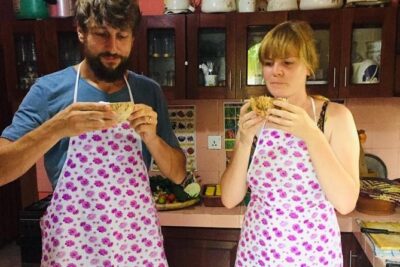
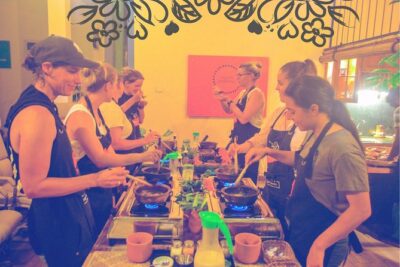
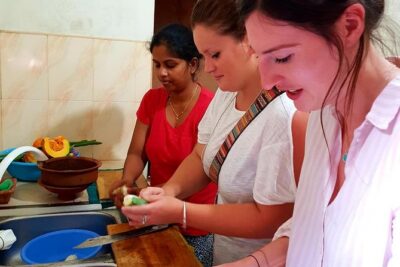
The class is described as hands-on, with a small enough group for you to take part in the preparation. That is a real advantage over a demonstration where you watch someone else do the work. You can ask questions while handling ingredients and see each step up close. A kitchen helper is also part of the experience, adding another person to ask about the process.
A private lesson, with room for questions
This is a private activity, so only your group participates. For a couple, family, or small party, that can make the class feel less like a scheduled lesson and more like time in a home kitchen. You can ask questions without competing with a large group for the chef’s attention.
The experience is led by a professional guide and cooking teacher, but no individual guide’s name is provided. The class is praised for clear explanations and practical answers, so bring the questions you care about: how a spice paste is made, why a cooking step matters, or which dishes can be adjusted for your diet. The class is intended to cover sauces, pastes, fillings, and appetizers from scratch, as well as the main dishes.
The personal format also makes this a sensible choice for a special occasion. It has been used for birthday celebrations, including a 50th birthday, and the private setup could suit a family meal or a cooking-focused date. That said, the experience is about food and instruction, not a formal celebration package. The details do not promise decorations or special arrangements, so contact the provider if you need those.
The villa setting outside central Colombo
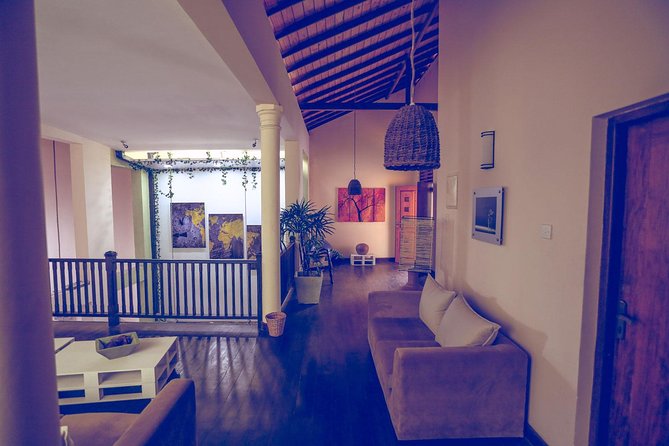
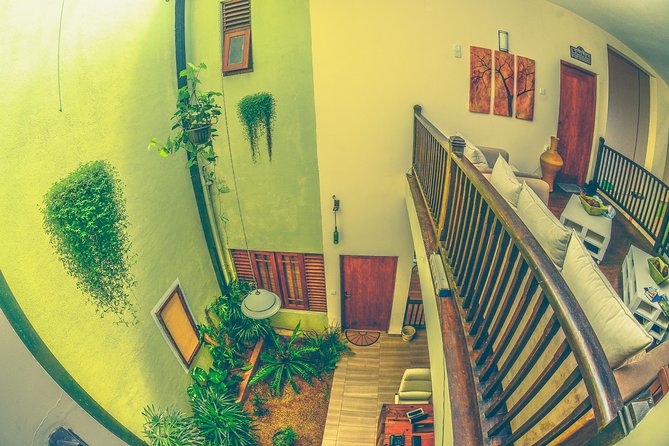
The cooking takes place at a villa in the green belt of Colombo, about nine kilometers from the city center. It is described as being near Sri Lanka’s Parliament, the Immigration Office, and Diyawanna Lake, with bird sounds and a quieter setting away from the city’s traffic and noise.
That change of scene can be welcome after time in central Colombo. The villa is also described as a place where you can refresh before the market visit, and an overnight stay with free breakfast is mentioned. However, the tour price and inclusions do not make clear whether an overnight stay is part of the cooking-class booking. Do not assume accommodation is included in the $80 price; ask the provider directly if you want to stay.
The meeting point is listed as Travel Footprint, with an address in the Colombo area of Sri Jayawardenepura Kotte. The activity ends back at the meeting point. The booking information is mixed on hotel transport: pickup is shown among the features, but hotel pickup is also listed as not included. Confirm the exact meeting arrangement before you set out, especially if you are staying in central Colombo.
More shopping and market tours in Colombo:
- Colombo Cooking Experiance with Explore Market
★ 4.7 · 33 reviews - Colombo Sightseeing & Shopping
★ 4.5 · 15 reviews - Colombo Sightseeing and Shopping Private Tour Including Lunch
★ 5.0 · 12 reviews - Market Tour and Cooking Class from Colombo
★ 5.0 · 5 reviews
Is $80 a fair price?
At $80 per person, this is more than a simple meal or a short cooking demonstration. You are paying for about five hours, a private class, a market visit, instruction, and the chance to prepare multiple dishes. If you value close interaction and want to bring home practical cooking skills, that combination can make the price worthwhile.
The value depends on what matters most to you. Someone seeking the cheapest way to eat Sri Lankan food may get better value at a local restaurant. A food-focused visitor who wants to learn how to select ingredients, prepare spice mixes, and cook a full meal may find the class a more lasting use of the money. The market visit and hands-on format are the parts that distinguish it from simply following a recipe at home.
The stated inclusions include bottled water, light refreshments, tea or coffee, taxes, and a professional guide. Alcoholic drinks are not included, and the description separately mentions local beer. Food and drinks are listed as excluded unless specified, which makes it especially important to confirm what meal is included in your booking. The sample itinerary clearly describes cooking and eating, but the wording on inclusions is not entirely clear.
Timing, booking, and what to check
The experience lasts about five hours and is offered daily from 9:30 a.m. to 3:30 p.m. The listed hours describe the available operating window, not a promise that every class starts at any particular time. Confirm your start time when booking. Traffic can affect transfer times, and the experience notes that journeys are approximate.
The class is commonly booked about 30 days ahead, so reserve early if your dates are fixed. Confirmation is provided at booking. If you are arriving by cruise ship, you must give the ship name and the docking, disembarkation, and re-boarding times when you book. That information helps the provider assess whether the timing works.
Dress is smart casual. Tell the provider about dietary needs when booking, and ask directly about the vegan menu, hotel pickup, and exactly what food and drinks are included. Free cancellation is available up to 24 hours before the experience starts. Poor weather may lead to a new date or a full refund.
Who should book this Colombo cooking class?
I would consider this class if you want a private, hands-on introduction to Sri Lankan cooking and enjoy learning where ingredients come from. It suits curious home cooks, couples, and families who are happy to spend several hours shopping, preparing food, asking questions, and eating together. It may also be a good fit if the quiet villa setting appeals more than a class in the city center.
It is less suitable if you want a quick activity, need guaranteed hotel transport, or expect a fully vegan menu without having to check the details. The title and menu are not fully aligned, so careful confirmation is essential for strict vegans. If the provider confirms a suitable menu and your transport plan, the combination of market knowledge, private instruction, and clay-pot cooking offers a grounded way to understand Sri Lankan food.
FAQ
How long is the cooking class?
The experience lasts approximately five hours.
Where does the tour start and end?
It starts at Travel Footprint in the Colombo area and ends back at the meeting point.
Is the class private?
Yes. Only your group participates.
Is the menu fully vegan?
That is not clear from the menu provided. It includes chicken curry, buffalo curd, and honey, so contact the provider before booking to confirm a fully vegan meal.
Can I request a vegetarian menu?
Yes. A vegetarian option is available, and you should advise the provider when booking.
What food can I learn to prepare?
Listed options include rice, dhal curry, coconut sambol, potato curry, fried mushroom, and leafy mallum. Chicken curry is also listed, so confirm which dishes suit your dietary needs.
Is hotel pickup included?
The details are inconsistent. Pickup is mentioned as a feature, but hotel pickup is also listed as not included. Confirm the arrangement with the provider before booking.
What is the cancellation policy?
You can cancel at least 24 hours before the start time for a full refund. If poor weather causes the activity to be canceled, you will be offered another date or a full refund.
More classes and workshops in Colombo
- Authentic Sinhalese Cooking Class in Colombo with a Local Family
★ 5.0 · 9 reviews - Cooking class in Srilanka
★ 5.0 · 8 reviews - Colombo: Jewelry Workshop Experience 3-6 Hours-Free Jewelry
★ 3.8 · 3 reviews - Cooking Classes in Sri Lanka
★ 5.0 · 110 reviews
Just added in Colombo
- Wilpattu: Private Safari Day Trip with Lunch & Entry Fees★ 4.6 · 9 reviews
- Yala Safari All-Inclusive Package with Convenient Pick Up★ 4.4 · 3 reviews
- Tuk Trip is Very Cheap in Colombo (All-inclusive ) city tour★ 4.5 · 5 reviews
- Tuk Trip is Very Cheap in Colombo (All-inclusive ) city tour★ 3.4 · 5 reviews
- Tuk Tuk Tales of Colombo From Cruies★ 4.6 · 4 reviews
- Colombo Shore Excursion from Cruise Port – Private Small Group★ 5.0 · 6 reviews
- Yala Full Day Safari with Picnic Lunch – Private & All Inclusive★ 5.0 · 8 reviews
- Yala National Park Full-Day Jeep Safari with Lunch★ 5.0 · 8 reviews
Colombo Cooking Classes, compared.
Authentic Sinhalese Cooking Class in Colombo with a Local Family
Read our review →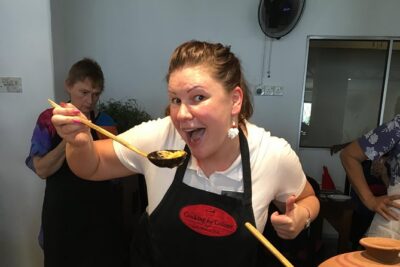
Browse the lists this tour appears in